
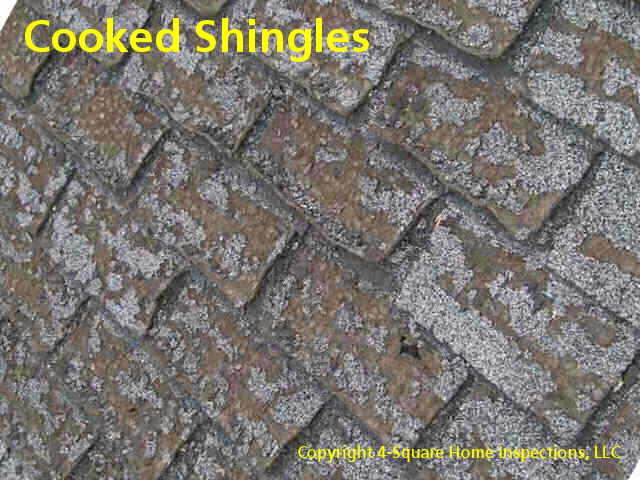
Many years ago it was thought that attic ventilation wasted energy. Many people blocked vents or skipped them entirely when re-roofing. Since the 1980s, we've learned that this actually increases energy costs and contributes to attic damage.
- Decreases the life of your shingles
- Ruins your attic insulation
- Damages roof framing
- Contributes to mold growth
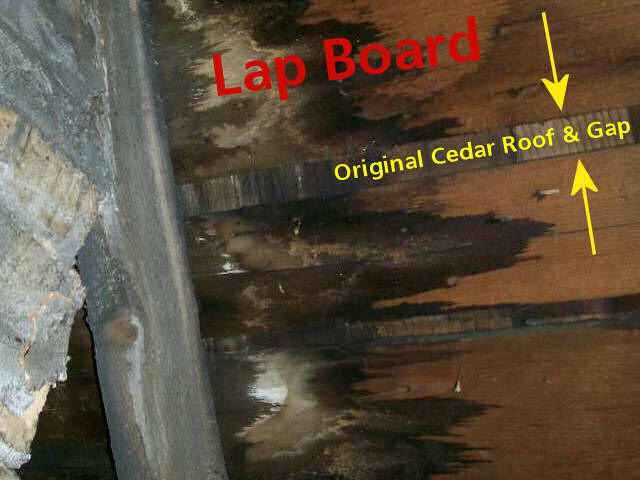
A frequent question we hear is, “Why do we need vents now if our roof never had them before?” Older homes with cedar shakes had gaps between the roof boards. These gaps allowed moisture to dry out naturally. But modern roofs sealed over those openings, trapping moisture inside.
Those gaps allowed air to flow between them through the shingles. It worked great! But eventually, those roofs had asphalt paper laid over the top followed by a layer (or two) of asphalt shingles. This sealed up the natural ventilation leaving no way for the air to flow out of the attic space.
Winter Time Problems
Most people don't ever venture into their attics, especially in winter. We inspect hundreds of homes each year and here are some of the things that can happen during the winter months when you have poor ventilation. Make sure to check out our Ice Dam Article!
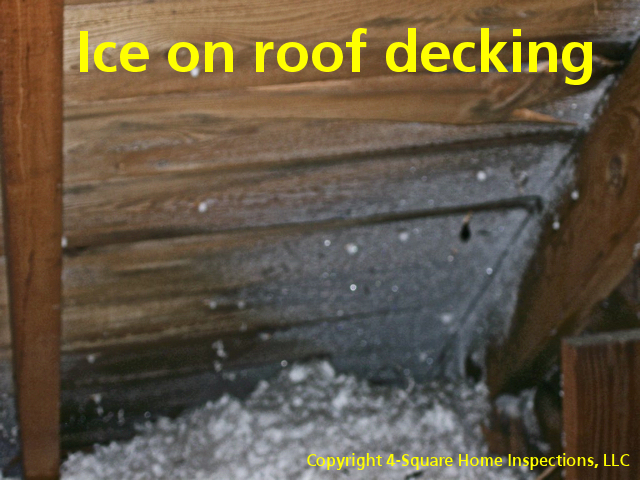
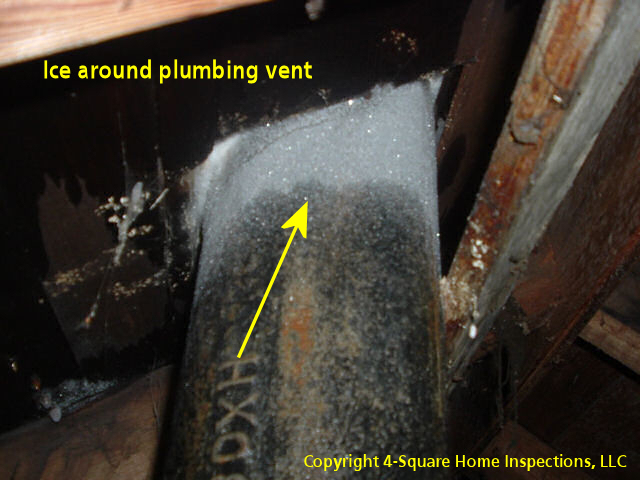
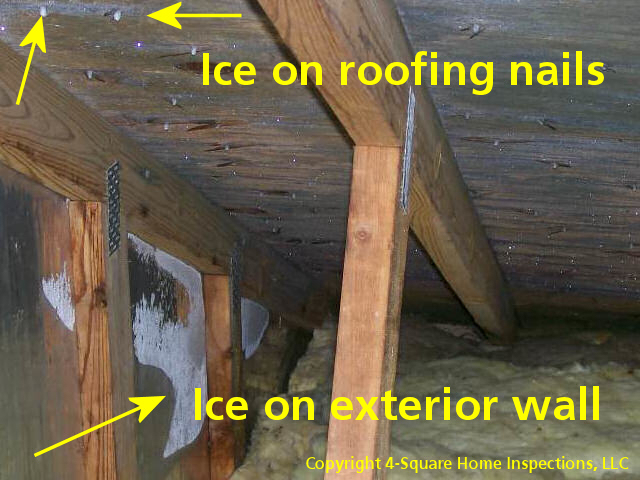
The heat and moisture from your home naturally migrates to your attic. If this isn't properly vented, the moisture will condense (and even freeze) on cold surfaces in your attic. Eventually, this moisture will melt, soaking your attic insulation and reducing its effectiveness. It can also contribute to mold growth that can affect your family's health.
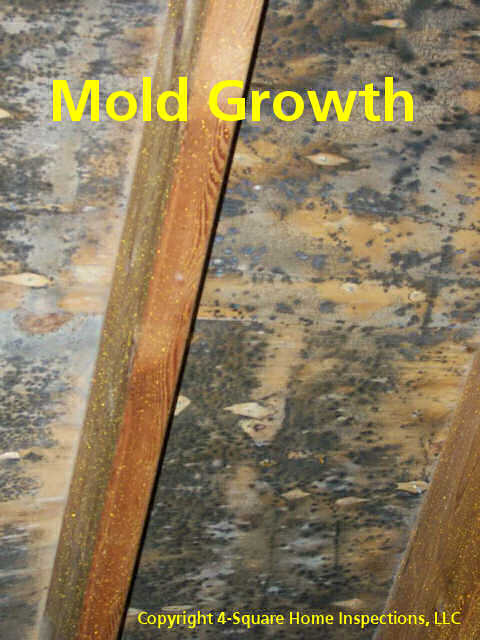
Mold Growth
Mold typically won't grow when the temperatures are below 32°F or when the humidity levels are below 65%. But there’s a good chance your attic can be an ideal spot for mold to thrive. Your roof and some insulation provide a great food source!
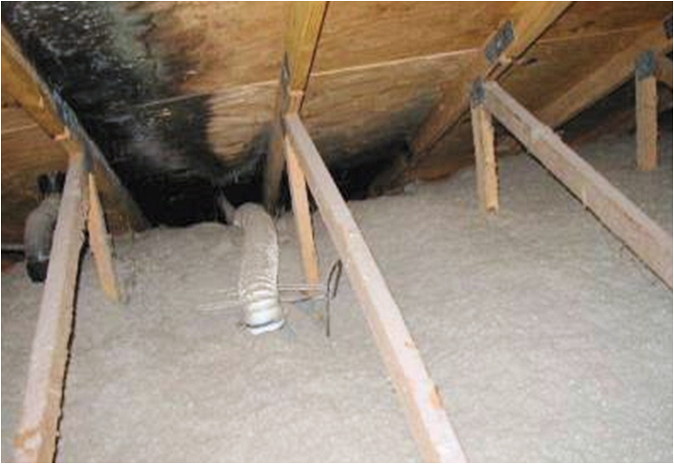
Another source of moisture that can contribute to mold growth comes from kitchen and bathroom fans that vent into the attic space instead of the exterior. In the picture above, the duct was directed to the soffit but wasn’t connected to an outside vent. The heat and humidity rose from the end of the duct and rotted out the roof. This is why positive ventilation is important!
Spring Time Problems – Check for Birds!
Many times, our feathered friends love the shelter and warmth that roof louvers provide for their new family. Unfortunately, the nests can cause problems. Not only do they block the vents, but birds can also transmit diseases that are not healthy for your family.
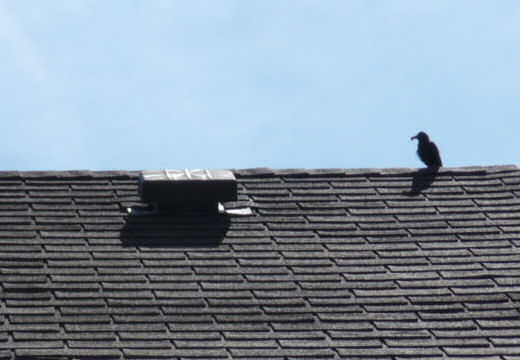
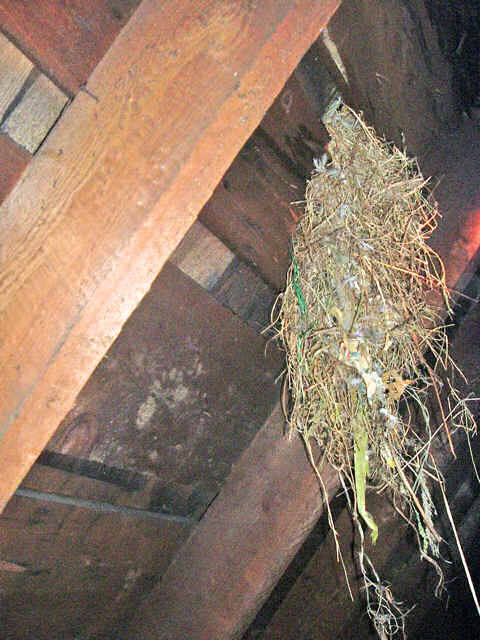
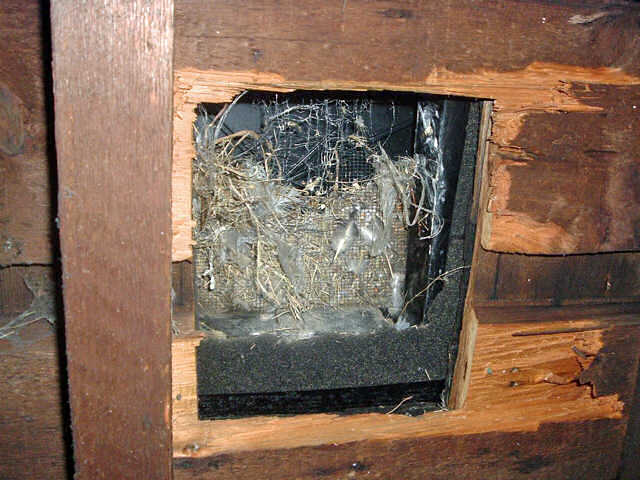
Peek your head into the attic and take a look at the vents. If you see anything like the photos above, you’ll need to replace the screens. Use metal screening (hardware cloth) with 1/4" spacing and staple it securely to the underside of the roof.
Fiberglass screening is too easily torn. Be sure to wear a respirator, eye protection, and gloves during clean-up — you’ll be stirring up dust and bird feces. Use a garbage bag for debris but don’t overfill it — it still needs to fit through the attic scuttle hole.
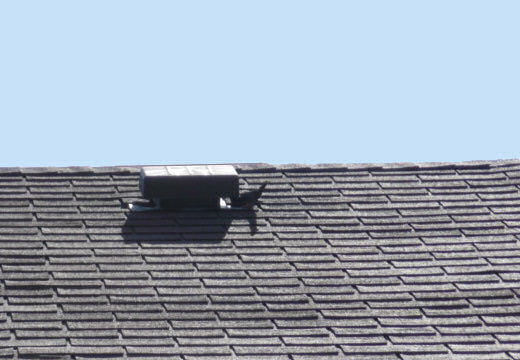
Birds often return to the same nesting areas year after year. To discourage them, hang a small nylon stocking filled with mothballs under each attic louver in late winter before they return. If a nest is already active, wait until the young have left before removing it.
Summer Time Problems
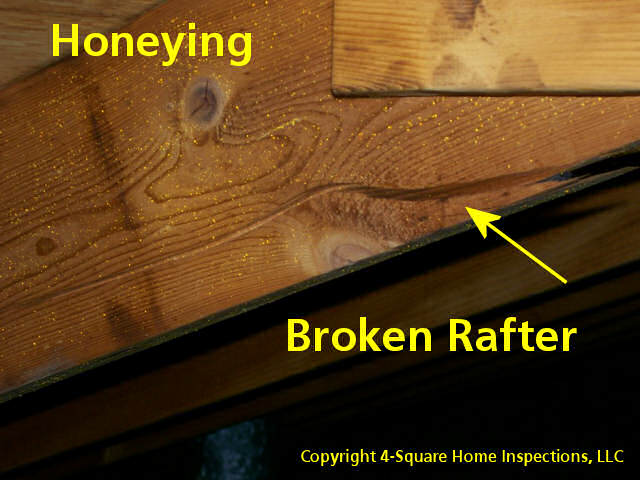
Temperatures in your attic during the summer can easily exceed 160°F. This heat can penetrate your ceilings, contributing to higher cooling costs. It also accelerates the aging of your wood rafters and trusses, weakening them over time. A common issue is called honeying, where high temperatures bake the sap out of the wood.
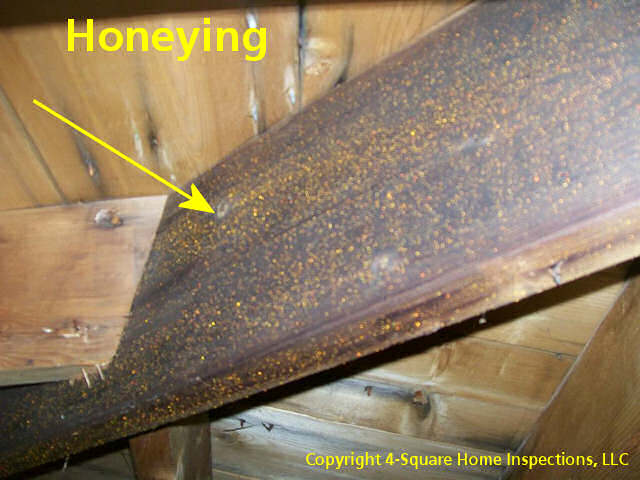
Most lumber defects like knots can handle normal stress loads, but extended exposure to high heat can weaken structural members significantly. That’s why controlling attic temperatures through ventilation is so important.
How Ventilation Works – Convection
Proper ventilation provides a continuous flow of air from outside, through your attic, and out again. This protects your insulation, prevents heat buildup, and reduces the load on your heating and cooling systems.
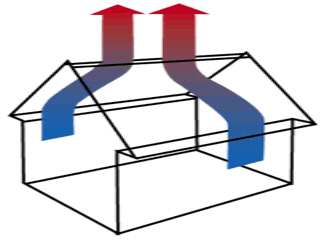
This process occurs through natural convection. Sunlight heats the roof and attic air during the day. As warm air rises, it escapes through upper vents, drawing in cooler air through soffit vents below. Half the venting should be placed high, and the other half low, to ensure good airflow.
Cross Ventilation
Some homes may only have a gable vent or two. We've inspected many where these vents are completely blocked on the inside, and unless someone climbs into the attic, they might never know. If you have louvers near the peak of your roof, be sure to inspect them—or give us a call and we’ll do it for you.
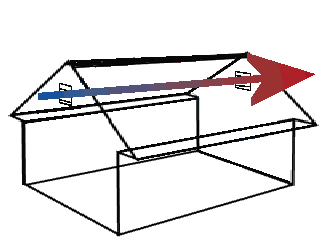
This method isn't as effective as convection-based systems. It depends largely on prevailing winds to ventilate the attic. Remember the cedar roofs? Those openings were built into the homes to help dry out cedar shingles by allowing air flow through the decking gaps.
Types of Ventilation Products
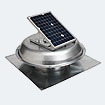
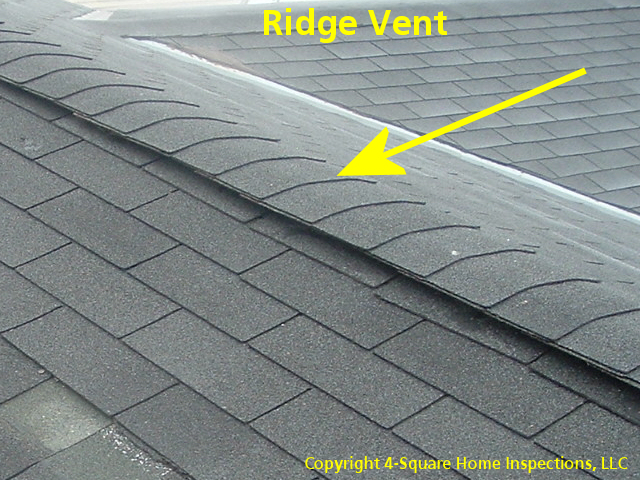
How Much Ventilation Do You Need?
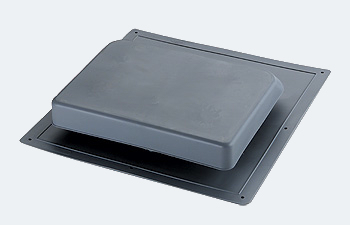
The FHA, VA, and HUD recommend 1 square foot of ventilation for every 300 square feet of attic space. It's easy to calculate your attic ventilation needs with a few simple steps. Assume you've selected a 9" roof louver (50 sq in each) and an 8" x 6" soffit vent (56 sq in each).
1. Calculate the square footage of your attic space
- Length × Width (in feet)
- Example: A 32 ft × 42 ft house with a 10 ft × 20 ft addition
- 32 × 42 = 1,344 sq ft
- 10 × 20 = 200 sq ft
- Total = 1,344 + 200 = 1,544 sq ft
2. Calculate the free ventilation area needed
- 1,544 ÷ 300 = 5.15 sq ft of ventilation
- Convert to square inches: 5.15 × 144 = 741.6 sq in
- Divide between high and low vents: 741.6 ÷ 2 = 370.8 sq in each
3. Choose your ventilation products
- High vents: 370.8 ÷ 50 = ~7 roof louvers
- Low vents: 370.8 ÷ 56 = ~7 soffit vents
Remember to always check the specs of your chosen vent products and ensure proper placement—half of the total vent area should be located low (e.g., soffits) and the other half high (e.g., ridge or roof vents) for proper airflow.