Your home’s gutter system has one primary job: managing roof runoff so water is directed away from the house. One of the most common homeowner complaints is a leaky basement—often noticed after a heavy rainstorm or during spring thaw.
Here are some helpful suggestions to get your home ready for a successful inspection. You can also download our printable checklist here:
The incidence of "rotten egg" sulfur odors and resulting black water in hot and cold water lines is due to the reaction of sulfates and microorganisms. This may occur in the well, in household plumbing, or specifically in the water heater and hot water lines.
Ice dams form when snow on your roof melts and refreezes over time. This often happens when warm air from inside the house escapes into the attic and heats the roof. Even when outdoor temperatures are well below freezing, that escaping heat can melt the snow on your roof. When the melted water reaches the colder edges near the eaves, it refreezes, forming a dam.
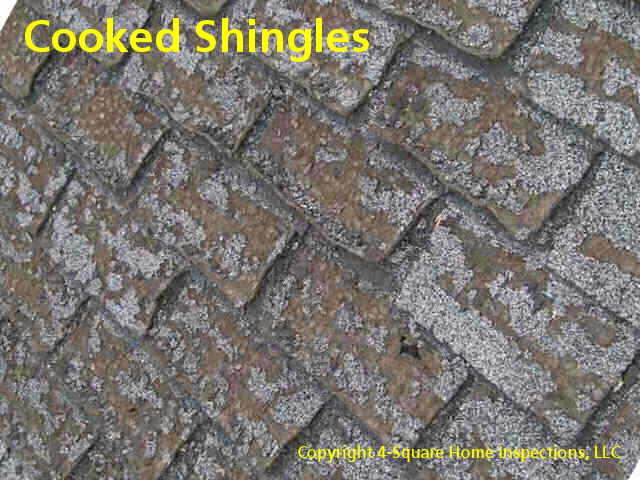
Many years ago it was thought that attic ventilation wasted energy. Many people blocked vents or skipped them entirely when re-roofing. Since the 1980s, we've learned that this actually increases energy costs and contributes to attic damage.
Slips and falls are the number one cause of emergency room visits during winter months, according to the National Safety Council. Injuries such as bruised ribs, wrist strains, and head impacts are common on icy surfaces. For adults over age 65, the risk of serious injury is even greater. Preventing falls is one of the most effective ways to stay safe during winter.
If your home is equipped with a sump pump, there's usually a good reason for it. The purpose of a sump pump is to collect water from around your foundation and redirect it away. If it fails, you could face thousands in damage, potential foundation issues, and mold if your basement floods.